

Table of Contents
23rd Jul, 2024 by: EBC Trek
Ghorepani Poon Hill Sunrise Trek 7 Days
Ghorepani Poon Hill Trek Introduction
Embark on an enchanting journey with the Ghorepani Poon Hill Trek, a 7-day adventure that offers a perfect blend of natural beauty, cultural richness, and accessible trekking in the heart of Nepal’s Annapurna region. This trek is ideal for beginners and seasoned hikers alike, providing stunning panoramic views of the Himalayas, vibrant rhododendron forests, and charming Gurung and Magar villages. As you traverse diverse landscapes, you'll experience the warm hospitality of local communities and witness breathtaking sunrises over some of the world’s highest peaks from the famed Poon Hill viewpoint. Join us for an unforgettable trek that captures the essence of Nepal’s majestic beauty and cultural heritage.
Trip Highlights of Ghorepani Poon Hill Trek
Experience the Best of the Annapurna Region in Just 7 Days!
1. Panoramic Sunrise Views from Poon Hill: Witness the awe-inspiring sunrise over the Annapurna and Dhaulagiri mountain ranges from Poon Hill (3,210 meters). The first light of day reveals the majestic peaks of Annapurna South, Machapuchare (Fishtail), and Hiunchuli, creating a breathtaking panorama.
2. Scenic Trekking Route: Enjoy a diverse trekking trail that winds through lush rhododendron and oak forests, terraced fields, and picturesque mountain villages. Each step offers new vistas and enchanting landscapes.
3. Traditional Gurung and Magar Villages: Immerse yourself in the rich culture and traditions of the Gurung and Magar communities. Explore charming villages like Ghandruk and Ghorepani, where you can experience the warm hospitality and unique way of life of the local people.
4. Flora and Fauna: Trek through the Annapurna Conservation Area, home to a variety of flora and fauna. In spring, the rhododendron forests are in full bloom, creating a vibrant and colorful trekking experience.
5. Comfortable Teahouse Accommodation: Stay in cozy teahouses along the trekking route, offering comfortable lodging and hearty meals. These teahouses provide a unique opportunity to interact with fellow trekkers and locals.
6. Accessible and Beginner-Friendly: This moderate trek is suitable for beginners and families, with well-maintained trails and manageable daily distances. It’s a perfect introduction to trekking in the Himalayas.
7. Spectacular Himalayan Vistas: Throughout the trek, enjoy stunning views of the Annapurna and Dhaulagiri ranges, including prominent peaks like Annapurna South, Machapuchare, and Nilgiri.
8. Cultural Experiences: Visit local monasteries, schools, and museums to gain deeper insights into the cultural heritage of the region. Engage with locals and participate in traditional activities for an enriching cultural exchange.
9. Proximity to Pokhara: Begin and end your trek in the beautiful lakeside city of Pokhara, known for its serene Phewa Lake, vibrant markets, and relaxed atmosphere. It’s the perfect place to unwind before and after your trekking adventure.
10. Safe and Well-Organized: Benefit from the expertise of experienced guides and porters who ensure your safety and comfort throughout the trek. All necessary permits and logistics are handled, allowing you to focus on enjoying your journey.
Embark on the Ghorepani Poon Hill Trek for a memorable adventure that combines stunning natural beauty, cultural immersion, and accessible trekking in one of Nepal’s most beloved regions.
Ghorepani Poon Hill Trek Itinerary
| Day | Itinerary | Altitude |
|---|---|---|
| 1 | Arrival in TIA,Kathmandu | 1400M |
| 2 | Flight from Kathmandu to Pokhara Drive to Nayapul Trek to Tikhedhunga | 1520M |
| 3 | Trek from Tikhedhunga to Ghorepani | 2874M |
| 4 | Walk up Poon hill via Ghorepani trek to Tadapani | 2590M |
| 5 | Trek from Tadapani to Ghandruk Drive to Pokhara | 820M |
| 6 | Drive from Pokhara to Kathmandu by Tourist Bus | 1400M |
| 7 | Departure from Kathmandu | 1400M |
Guides and Porters for the Ghorepani Poon Hill Trek
Expert Guides
Experienced and Knowledgeable: Our professional trekking guides are well-versed in the trails of the Ghorepani Poon Hill Trek. With extensive experience and in-depth knowledge of the region, they ensure a safe and enjoyable journey.
Language Skills: Our guides are fluent in English and are skilled in providing insights into the local culture, history, and geography, enhancing your trekking experience with informative commentary and stories.
Safety and Support: Your guide prioritizes your safety and well-being. They are trained in first aid and emergency procedures, ensuring that you are well taken care of throughout the trek.
Local Expertise: They bring valuable local insights, offering recommendations on local customs, traditions, and must-see spots along the trail, making your adventure both authentic and immersive.
Reliable Porters
Essential Assistance: Porters play a crucial role in carrying your gear and luggage, allowing you to trek comfortably and focus on enjoying the trek rather than the burden of heavy packs.
Professional and Friendly: Our porters are experienced, friendly, and dedicated to ensuring your trekking experience is smooth and hassle-free. They are familiar with the terrain and skilled in managing the logistics of your journey.
Supportive Role: Porters help maintain the pace of the trek by managing the weight of your belongings, which contributes to a more enjoyable and less physically demanding experience.
Respect for Porters: We emphasize the importance of treating our porters with respect and fairness. They are essential to the success of your trek, and their well-being and fair treatment are a priority.
Note: Guides and porters are integral to a successful trekking experience. They not only ensure your safety and comfort but also contribute to the local economy and cultural exchange. We are committed to providing well-trained and supportive staff to make your Ghorepani Poon Hill Trek an unforgettable adventure.
Route Permits for Ghorepani Poon Hill Trek
| Permits | Cost |
|---|---|
| Annapurna Conservation Area Permit (ACAP) | $30 |
| Trekkers & Information Management System (TIMS) Card | $10 |
Accommodation Facilities During the Trek
Teahouses and Lodges
Comfortable and Cozy: During the Ghorepani Poon Hill Trek, you will stay in traditional teahouses and lodges along the trail. These accommodations offer a warm and welcoming atmosphere, providing a comfortable place to rest after a day of trekking.
Basic Amenities: Teahouses generally offer basic amenities including:
- Bed: Simple beds with clean linens and blankets.
- Dining Area: A common area where you can enjoy meals and socialize with fellow trekkers.
- Toilets: Shared or private toilets (vary by teahouse) with basic facilities.
- Hot Water: Some teahouses provide hot water for showers, often at an additional cost.
Local Charm: Teahouses reflect the local culture and provide an authentic trekking experience. Enjoy traditional Nepali hospitality and local cuisine, and engage with the local community in these family-run establishments.
Meal Services:
- Breakfast: Typically includes options such as eggs, bread, porridge, and tea or coffee.
- Lunch: A variety of dishes like noodles, rice, dal-bhat, and soups.
- Dinner: Hearty meals including Nepali dal-bhat, curries, vegetables, and international dishes like pasta and fried rice.
Wi-Fi and Charging: Many teahouses offer Wi-Fi (for a fee) and charging facilities for electronic devices. Be prepared for occasional connectivity issues due to the remote location.
Altitude Accommodations: At higher altitudes, such as in Ghorepani and Poon Hill, teahouses may be more basic due to the challenging environment. However, they still provide essential comfort and warmth.
Luxury Lodges (Optional)
Enhanced Comfort: For those seeking additional comfort, luxury lodges are available at an extra cost. These lodges offer improved facilities, including:
-
Private Rooms: With attached bathrooms and upgraded bedding.
- Heated Rooms: Some luxury lodges offer heated rooms or stoves for added warmth.
- Enhanced Dining Options: Higher-quality meals and a greater variety of international dishes.
Exclusive Services:
- Private Dining: Enjoy private dining experiences with a selection of gourmet meals.
- Additional Amenities: Some luxury lodges offer amenities like a library, lounge area, and more comprehensive Wi-Fi services.
Booking: Luxury lodges should be booked in advance to ensure availability. They provide a higher level of comfort and a more personalized experience for those who prefer extra amenities.
Note: Accommodations during the Ghorepani Poon Hill Trek are designed to offer comfort and a sense of community while allowing you to fully immerse yourself in the natural beauty of the Annapurna region. Whether staying in traditional teahouses or luxury lodges, each option ensures a memorable and enjoyable trekking experience.
Meals Facilities During the Ghorepani Poon Hill Trek
Delight in a Flavorful Culinary Journey
On the Ghorepani Poon Hill Trek, your dining experience is as memorable as the trek itself. Each meal is designed to fuel your adventure and give you a taste of local Nepali cuisine, along with international options to suit diverse preferences.
1. Breakfast: Start your day with a hearty breakfast to energize you for the trek ahead. Common options include:
- Traditional Choices: Eggs, toast, porridge, and local bread.
- Hot Beverages: Tea, coffee, or hot chocolate.
- Fruits and Juices: Seasonal fruits and fresh juices where available.
2. Lunch: Enjoy a variety of dishes during your lunch break, often served in the teahouses’ dining areas. Options include:
- Nepali Dishes: Dal-bhat (rice and lentil soup), momo (dumplings), and noodle soup.
- International Options: Fried rice, pasta, and sandwiches.
- Snacks: Light snacks like biscuits and chips may also be available.
3. Dinner: Wind down your day with a satisfying dinner featuring a selection of hearty meals. Typical offerings include:
- Dal-Bhat: The traditional Nepali meal of rice, lentil soup, and vegetable curry.
- Curries and Stews: Variety of meat and vegetarian curries, often accompanied by rice or bread.
- International Fare: Some teahouses provide a range of dishes like pasta, pizza, and burgers.
4. Special Dietary Requirements: If you have specific dietary needs (e.g., vegetarian, vegan, gluten-free), let us know in advance. Most teahouses can accommodate special dietary preferences with prior notice, ensuring you have enjoyable meals throughout the trek.
5. Local Flavors: Experience authentic Nepali flavors and ingredients as you trek through the region. Sample local dishes prepared with fresh, local produce and traditional cooking methods.
6. Tea House Dining: Meals are typically served in the teahouses' communal dining areas, offering a chance to interact with fellow trekkers and share stories from the trail. The warm and friendly atmosphere adds to the overall trekking experience.
7. Water and Hydration: Stay hydrated with purified water provided by the teahouses. You can also purchase bottled or filtered water along the way. Reusable water bottles and water purification tablets are recommended to minimize environmental impact.
8. Meal Quality: Teahouses and lodges along the trek prioritize cleanliness and food safety. Meals are prepared with care to ensure they are both nutritious and delicious, providing the energy you need for your trek.
Note: The meals during the Ghorepani Poon Hill Trek are designed to be both satisfying and varied, offering a blend of local and international dishes to cater to different tastes. Enjoy the flavors of Nepal while soaking in the beauty of the Annapurna region, making each meal a part of your unforgettable trekking experience.
Transportation Facilities During the Ghorepani Poon Hill Trek
Seamless Travel for a Smooth Trekking Experience
Traveling to and from the Ghorepani Poon Hill Trek is straightforward and well-organized, ensuring you can focus on enjoying your adventure. Here’s a detailed look at the transportation facilities involved:
1. Arrival and Departure:
- Kathmandu to Pokhara: Begin your journey by traveling from Kathmandu to Pokhara. Options include:
- Private Vehicle: A comfortable and direct option, allowing for flexibility and scenic views.
- Tourist Bus: A cost-effective choice with regular daily departures, offering a comfortable ride and the opportunity to meet fellow travelers.
2. Transportation to the Trekking Start Point:
- Pokhara to Nayapul: The trek starts from Nayapul, which is accessible from Pokhara by:
- Private Vehicle: Provides a convenient and direct transfer, saving time and offering comfort.
- Local Bus: A budget-friendly option, though less comfortable and subject to local traffic conditions.
3. Trekking Transportation:
- On-Trail Transfers: During the trek, no additional transportation is needed as you will be trekking on foot. The trail is well-marked and manageable, with daily hikes between teahouses and lodges.
4. Return Trip:
- Nayapul to Pokhara: At the end of the trek, you will be transported back to Pokhara by:
- Private Vehicle: For a direct and comfortable journey back.
- Local Bus: An economical choice, though it may be less comfortable and slower.
5. Pokhara to Kathmandu:
- Return Options: After your trek, you can return to Kathmandu by:
- Private Vehicle: Ideal for those seeking convenience and a direct transfer.
- Tourist Bus: A popular option for travelers, offering comfort and a chance to interact with other trekkers.
6. Airport Transfers:
- Kathmandu and Pokhara Airports: Transfers to and from the airports are available and can be arranged upon request. This ensures you reach your flights comfortably and on time.
7. Scenic Views:
- Travel Experience: Both the drive from Kathmandu to Pokhara and from Pokhara to Nayapul offer beautiful views of the Nepali countryside and the Himalayas, adding to your overall trekking experience.
8. Luggage Handling:
- Porter Services: During the trek, porters will carry your main luggage, while you’ll need to manage a smaller daypack with essentials. This arrangement makes the trek more comfortable and enjoyable.
Note: Transportation for the Ghorepani Poon Hill Trek is designed to be efficient and convenient, ensuring you have a smooth journey from arrival to departure. Whether you choose private or shared options, your travel arrangements will support a seamless and enjoyable trekking experience.
Flight Options from Kathmandu to Pokhara: Domestic Airlines
For a quick and scenic journey from Kathmandu to Pokhara, several domestic airlines offer daily flights. Here are the main options:
1. Yeti Airlines
- Overview: Known for reliable service and punctuality, Yeti Airlines operates multiple daily flights between Kathmandu and Pokhara.
- Flight Duration: Approximately 25-30 minutes.
- Website: Yeti Airlines
2. Buddha Air
- Overview: A popular choice for both its comfort and efficiency, Buddha Air provides frequent flights with excellent service and stunning aerial views of the Himalayas.
- Flight Duration: Around 25-30 minutes.
- Website: Buddha Air
3. Nepal Airlines
- Overview: The national carrier offers regular flights with a focus on safety and reliability, providing a straightforward travel option.
- Flight Duration: Approximately 25-30 minutes.
- Website: Nepal Airlines
4. Shree Airlines
- Overview: Offering competitive rates and reliable service, Shree Airlines operates several flights daily with comfortable seating and a pleasant flying experience.
- Flight Duration: About 25-30 minutes.
- Website: Shree Airlines
5. Saurya Airlines
- Overview: Provides a budget-friendly option with good service and punctual flights, making it a popular choice for travelers.
- Flight Duration: Approximately 25-30 minutes.
- Website: Saurya Airlines
Key Information:
- Booking: Flights can be booked directly through the airlines' websites, travel agencies, or at the domestic terminal in Kathmandu.
- Scenic Views: The short flight offers spectacular views of the Himalayas and the scenic landscapes of Nepal, making it a memorable part of your journey.
- Weather Considerations: Flights may be subject to weather conditions. It's advisable to book early and consider flexibility in your travel plans in case of delays or cancellations.
Note: Flying from Kathmandu to Pokhara is the fastest way to reach your trekking destination, offering both convenience and a chance to enjoy breathtaking views. Each airline provides a comfortable and efficient service to ensure you start your trek relaxed and ready for adventure.
Ghorepani Poon Hill Trek Cost
| Cost Item | Details | Estimated Cost (USD) |
|---|---|---|
| Permits | Annapurna Conservation Area Permit (ACAP) and TIMS Card | $40 |
| Guide Fee | Experienced trekking guide for the entire trek | $150 - $200 |
| Porter Fee | Assistance for carrying luggage (1 porter per 2 trekkers) | $150 - $200 |
| Accommodation | Teahouses and lodges (7 nights) | $140 - $210 |
| Meals | Breakfast, lunch, and dinner during the trek | $140 - $210 |
| Transportation | Private vehicle or bus from Kathmandu to Pokhara and Nayapul | $50 - $100 |
| Flight (Optional) | One-way flight from Kathmandu to Pokhara | $100 - $150 |
| Travel Insurance | Coverage for trekking, medical emergencies, and evacuation | $50 - $100 |
| Tips | For guides and porters (recommended 10% of total trek cost) | $30 - $50 |
| Miscellaneous | Additional expenses such as snacks, souvenirs, and extra charges | $50 - $100 |
| Total Estimated Cost | $1,290 - $1,870 | |
Flora and Fauna of the Ghorepani Poon Hill Trek
The Ghorepani Poon Hill Trek offers a rich tapestry of biodiversity, with a diverse range of flora and fauna that enhances the trekking experience. Here’s a closer look at the natural beauty you can expect:
Flora
1. Rhododendron Forests:
- Description: The trek is renowned for its stunning rhododendron forests. In spring, these forests explode in vibrant colors with blooming red, pink, and white rhododendrons.
- Species: Rhododendron arboreum, Rhododendron falconeri.
2. Oak Trees:
- Description: Oak trees are common in the lower to mid-altitudes of the trek, contributing to the lush, green canopy.
- Species: Quercus lanata.
3. Pine Forests:
- Description: Pine trees can be found at higher altitudes, providing a distinctive aroma and a contrasting landscape to the broadleaf forests.
- Species: Pinus roxburghii, Pinus wallichiana.
4. Medicinal Plants:
- Description: Various medicinal plants are found along the trek, used traditionally in local remedies and treatments.
- Species: Artemisia, Neopicrorhiza scrophulariiflora (Yarsagumba).
5. Wildflowers:
- Description: A variety of wildflowers add bursts of color to the landscape, especially in the meadows and open areas.
- Species: Blue Poppy (Meconopsis grandis), Edelweiss (Leontopodium alpinum).
Fauna
1. Bird Species:
- Description: The trek offers excellent bird-watching opportunities, with a variety of species inhabiting the region.
- Species: Himalayan Monal (Lophophorus impejanus), Black-crowned Night Heron, and various species of pheasants and warblers.
2. Mammals:
- Description: While larger mammals are less commonly seen, several smaller species inhabit the forests.
- Species: Himalayan Tahr (Hemitragus jemlahicus), Red Panda (in higher altitudes), and the Common Langur (Trachypithecus pileatus).
3. Butterflies:
- Description: The trek is home to a range of butterfly species, adding a delicate touch to the floral landscape.
- Species: Common Mormon, Swallowtail, and various species of Painted Lady butterflies.
4. Insects:
- Description: The forests and meadows host diverse insect life, contributing to the ecosystem's vibrancy.
- Species: Various beetles, dragonflies, and spiders.
5. Small Mammals:
- Description: Small mammals and rodents are frequently encountered along the trail.
- Species: Himalayan Pika (Ochotona himalayana), various species of squirrels.
Conservation Efforts
1. Protected Areas:
- Annapurna Conservation Area: The Ghorepani Poon Hill Trek falls within this protected area, which aims to conserve the region's unique biodiversity and natural beauty.
2. Eco-Friendly Practices:
- Responsible Trekking: Adhering to eco-friendly practices helps preserve the delicate flora and fauna of the region. This includes minimizing waste, staying on designated trails, and respecting wildlife.
Note: The Ghorepani Poon Hill Trek offers a rich natural experience, with a variety of plant and animal species that add to the trek's charm. Observing and respecting this biodiversity enhances the trekking experience and contributes to the conservation of the region's natural heritage.
Attractions of the Ghorepani Poon Hill Trek
The Ghorepani Poon Hill Trek is renowned for its stunning natural beauty and cultural richness. Here are the key attractions that make this trek a memorable experience:
1. Poon Hill Sunrise Viewpoint
- Description: The highlight of the trek, Poon Hill offers breathtaking sunrise views over the Annapurna and Dhaulagiri mountain ranges. The panoramic vista includes peaks like Annapurna I, Dhaulagiri, Machapuchare (Fishtail), and Nilgiri.
- Elevation: 3,210 meters (10,531 feet).
- Experience: Witnessing the first light of dawn illuminating the snow-capped peaks is a magical experience.
2. Rhododendron Forests
- Description: The trek passes through lush forests of blooming rhododendrons, especially vibrant in spring. The diverse colors of the flowers create a spectacular natural display.
- Season: Best seen from March to May.
3. Traditional Gurung and Magar Villages
- Description: The trek takes you through charming villages inhabited by the Gurung and Magar communities. These villages offer insights into local customs, traditions, and hospitality.
- Notable Villages: Ghorepani, Tadapani, and Ulleri.
4. Local Culture and Traditions
- Description: Experience the rich cultural heritage of the local communities through their traditional houses, festivals, and daily practices. Local teahouses offer a glimpse into the lifestyle of the mountain people.
5. Stunning Landscapes
- Description: Enjoy diverse landscapes, from terraced fields and lush valleys to dense forests and alpine meadows. The trek provides a variety of scenic views, enhancing the trekking experience.
- Highlights: Beautiful valleys, cascading waterfalls, and terraced farmland.
6. Diverse Flora and Fauna
- Description: Discover a range of plant and animal species along the trek, including the vibrant rhododendron flowers, various bird species, and possibly glimpses of Himalayan wildlife.
- Wildlife: Himalayan Monal, Red Panda (in higher altitudes).
7. Ancient Monasteries and Temples
- Description: Visit traditional monasteries and temples along the route, offering spiritual and cultural insights. The peaceful environment adds to the overall trekking experience.
- Notable Sites: Monasteries in villages like Ghandruk.
8. Beautiful Sunrise and Sunset Views
- Description: Besides Poon Hill, the trek provides numerous spots to catch stunning sunrise and sunset views. The changing colors of the landscape during these times are spectacular.
9. Panoramic Mountain Views
- Description: The trek offers continuous stunning views of the Annapurna and Dhaulagiri ranges, with several vantage points providing excellent photo opportunities.
- Notable Peaks: Annapurna South, Hiunchuli, Dhaulagiri, and Machapuchare.
10. Comfortable Teahouses and Hospitality
- Description: The trek includes stays in well-maintained teahouses with warm hospitality. Enjoy traditional Nepali meals and experience the friendliness of the local people.
- Teahouses: Offer a cozy and inviting atmosphere, contributing to a pleasant trekking experience.
11. Scenic Terraced Fields
- Description: The trek passes through terraced fields cultivated by local farmers. The sight of these fields against the backdrop of the mountains is a highlight.
- Seasonal Beauty: Terraces are particularly beautiful during the growing and harvest seasons.
12. Trekking Trails and Paths
- Description: Well-marked and maintained trails lead you through varied terrains, from forest paths to mountain ridges. The well-constructed paths make the trek accessible and enjoyable.
- Trail Conditions: Well-established and suitable for moderate trekkers.
Note: The Ghorepani Poon Hill Trek is celebrated for its combination of stunning natural scenery, cultural immersion, and manageable trekking conditions. Each attraction offers its unique charm, contributing to an unforgettable trekking experience in the Annapurna region.
Equipments for Ghorepani Poon Hill Trek
| Category | Item | Description |
|---|---|---|
| Trekking Gear | Trekking Boots | Sturdy, waterproof boots with good ankle support for varied terrain. |
| Trekking Poles | Adjustable poles to help with balance and reduce strain on knees. | |
| Clothing | Base Layers | Moisture-wicking thermal shirts and pants to keep you dry and comfortable. |
| Insulating Layer | Warm fleece or down jacket for cold temperatures, especially at Poon Hill. | |
| Waterproof Jacket | Lightweight, waterproof jacket to protect against rain and wind. | |
| Trekking Pants | Lightweight, quick-drying pants; consider convertible pants for versatility. | |
| Warm Hat and Gloves | Essential for early mornings and colder temperatures at higher altitudes. | |
| Sun Hat | Wide-brimmed hat or cap to protect against the sun. | |
| Sleeping Gear | Sleeping Bag | Lightweight, 3-season sleeping bag; teahouses provide basic bedding. |
| Sleeping Liner | Adds extra warmth and hygiene to your sleeping setup. | |
| Personal Items | Daypack | Small daypack (20-30 liters) for daily essentials such as water, snacks, and camera. |
| Water Bottle or Hydration System | Reusable bottles or hydration bladders; water purification tablets or filters recommended. | |
| Sunscreen and Lip Balm | High SPF sunscreen and lip balm to protect against UV rays and windburn. | |
| Sunglasses | UV-protection sunglasses to shield your eyes from strong mountain sunlight. | |
| Personal Hygiene Items | Toiletries including toothpaste, toothbrush, hand sanitizer, and wet wipes. | |
| Trekking Documentation | Permits and Passports | Annapurna Conservation Area Permit (ACAP) and TIMS Card; carry a copy of your passport. |
| Travel Insurance | Insurance that covers trekking and emergency evacuation. | |
| Electronics | Camera | For capturing scenery and moments; extra batteries and memory cards useful. |
| Headlamp or Flashlight | Headlamp with extra batteries for navigating in the dark or early morning. | |
| Health and Safety | First Aid Kit | Basic supplies including band-aids, antiseptic ointment, pain relievers, and altitude sickness medication. |
| Personal Medications | Any personal medications needed during the trek. | |
| Optional Items | Binoculars | For bird-watching and observing distant views. |
| Notebook and Pen | For journaling your experiences. | |
| Travel Towel | Quick-dry towel for personal use. | |
| Note: | ||
| Pack light but be prepared for varying weather conditions and terrain. Proper preparation will make your trek comfortable and enjoyable. | ||
Alternative Trekking Packages to Ghorepani Poon Hill Trek
If you’re considering alternative treks in the Annapurna region, here are three excellent options:
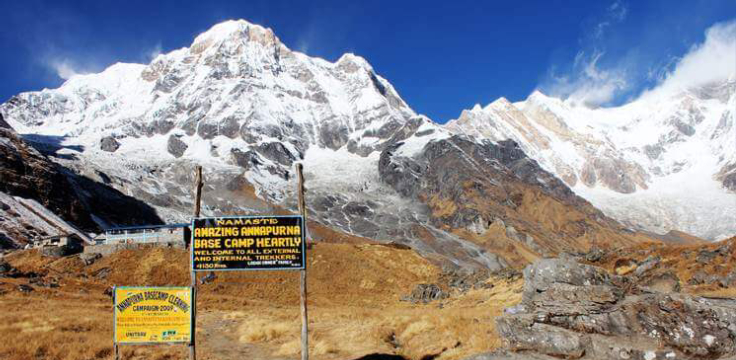
1. Annapurna Base Camp Trek
-
Description: The Annapurna Base Camp Trek offers a more challenging and immersive experience compared to Ghorepani Poon Hill. This trek takes you to the base camp of Annapurna, surrounded by towering peaks and glaciers. The trek passes through diverse landscapes, from terraced fields to lush forests and high-altitude alpine meadows. Highlights include stunning views of Annapurna, Machapuchare, and other peaks, as well as cultural encounters with local Gurung and Magar communities.
2. Mardi Himal Trek

-
Description: The Mardi Himal Trek is a lesser-known gem that provides a more off-the-beaten-path experience. It offers spectacular views of the Annapurna and Dhaulagiri ranges while passing through beautiful forests and traditional villages. The trek reaches the Mardi Himal Base Camp, situated at an altitude of 4,500 meters, offering stunning panoramic views and a more secluded trekking experience compared to more popular trails..
3. Annapurna Circuit Trek

-
Description: The Annapurna Circuit Trek is one of the most famous and diverse treks in Nepal. It circumnavigates the Annapurna Massif, crossing the Thorong La Pass, one of the highest trekking passes in the world. The trek offers an incredible variety of landscapes, from subtropical forests and terraced fields to high-altitude deserts and Tibetan-like villages. This trek provides a rich cultural experience and breathtaking views of the Annapurna and Dhaulagiri ranges.
These alternative treks provide varying experiences, from the immersive Annapurna Base Camp and Annapurna Circuit to the more secluded Mardi Himal Trek, catering to different interests and levels of trekking experience.
Tips for a Successful Ghorepani Poon Hill Trek
To ensure a smooth and enjoyable experience on the Ghorepani Poon Hill Trek, follow these helpful tips:
1. Plan Ahead
- Book in Advance: Secure your permits, accommodation, and any necessary travel arrangements well in advance, especially during peak trekking seasons (March-May and September-November).
- Check the Weather: Research the weather conditions for the time of year you plan to trek to ensure you’re prepared for the climate.
2. Acclimatize Properly
- Gradual Ascent: Although the Ghorepani Poon Hill Trek is considered moderate, allow yourself time to acclimatize by taking it slow and spending extra days if needed.
- Stay Hydrated: Drink plenty of water to stay hydrated and help your body adjust to the altitude.
3. Pack Smartly
- Essential Gear: Bring appropriate trekking gear, including sturdy boots, moisture-wicking clothing, a waterproof jacket, and a warm insulating layer.
- Lightweight Packing: Pack light but ensure you have all essentials. The trek involves a mix of comfortable and variable weather conditions.
4. Prepare Physically
- Fitness Training: Engage in regular cardiovascular exercises and strength training before your trek to build endurance and prepare your legs and core.
- Practice Hiking: Go on practice hikes with a loaded backpack to simulate trekking conditions and improve your stamina.
5. Respect Local Culture
- Learn Basic Nepali Phrases: Familiarize yourself with basic Nepali greetings and phrases to interact respectfully with locals.
- Dress Modestly: Dress conservatively, especially in villages and religious sites, to show respect for local customs and traditions.
6. Follow Safety Guidelines
- Stick to Trails: Follow marked trails and avoid shortcuts to minimize your impact on the environment and reduce the risk of getting lost.
- Emergency Contacts: Keep a list of emergency contacts and know the procedures for getting help if needed.
7. Be Environmentally Responsible
- Leave No Trace: Follow Leave No Trace principles by packing out all trash, avoiding littering, and respecting wildlife.
- Use Eco-friendly Products: Carry a reusable water bottle, avoid single-use plastics, and use biodegradable products whenever possible.
8. Budget Wisely
- Carry Sufficient Cash: ATMs are scarce in the trekking region, so carry enough Nepalese Rupees (NPR) for expenses, including tips, purchases, and emergencies.
- Tip Generously: Tipping guides and porters is customary. A tip of 10% of the trek cost is standard, but you can adjust based on your satisfaction with the service.
9. Enjoy the Experience
- Take Your Time: Allow yourself to fully experience the beauty of the trek by taking breaks, enjoying the views, and interacting with fellow trekkers.
- Capture Memories: Bring a camera or smartphone to capture the stunning landscapes and moments along the way.
10. Stay Flexible
- Be Prepared for Changes: Weather and other factors may affect your itinerary. Stay flexible and adapt to any changes in plans.
By following these tips, you can enhance your trekking experience, ensuring a memorable and successful journey through the beautiful Ghorepani Poon Hill region.
FAQ(s) of Ghorepani Poon Hill Trek
1. What is the best time to do the Ghorepani Poon Hill Trek?
Answer: The best times to trek to Ghorepani Poon Hill are during the pre-monsoon (March to May) and post-monsoon (late September to November) seasons. These periods offer clear skies, pleasant temperatures, and stunning views. The monsoon season (June to August) is best avoided due to heavy rain and potential landslides.
2. How difficult is the Ghorepani Poon Hill Trek?
Answer: The Ghorepani Poon Hill Trek is considered moderate in difficulty. It is suitable for trekkers with basic fitness and some hiking experience. The trek involves ascending and descending several hills but does not reach very high altitudes, making it accessible for most people.
3. What permits are required for the Ghorepani Poon Hill Trek?
Answer: You need two permits for the Ghorepani Poon Hill Trek:
- Annapurna Conservation Area Permit (ACAP): $30
- TIMS Card (Trekkers' Information Management System): $10 These permits can be arranged through your trekking agency or at the Nepal Tourism Board office in Kathmandu or Pokhara.
4. How long does the trek take?
Answer: The Ghorepani Poon Hill Trek typically takes 5 to 7 days to complete. The trek is usually done in 7 days to allow for acclimatization, rest, and exploration of local villages and viewpoints.
5. What kind of accommodation can I expect during the trek?
Answer: During the trek, you will stay in tea houses or lodges that offer basic but comfortable accommodation. Most lodges provide clean rooms with twin-sharing beds, and some may have attached bathrooms. Luxury options are available at an additional cost in some areas.
6. What meals are provided on the trek?
Answer: Meals are provided at the lodges where you stay. You can expect a variety of options including Nepali dal-bhat, soups, snacks, momos, fried rice, and some Western dishes. Breakfast and dinner are usually served at the lodge, and lunch is taken on the way.
7. Is it necessary to hire a guide or porter?
Answer: Hiring a guide or porter is not mandatory but can enhance your trekking experience. Guides provide valuable local knowledge, navigation assistance, and support, while porters help carry your heavy luggage, making the trek more comfortable.
8. What is the maximum altitude of the trek?
Answer: The maximum altitude of the Ghorepani Poon Hill Trek is 3,210 meters (10,531 feet) at Poon Hill. This altitude is generally safe for most trekkers, but it is still important to stay hydrated and acclimatize properly.
9. How should I prepare for the trek?
Answer: To prepare for the trek, engage in regular cardiovascular exercises such as running, cycling, and hiking. Strengthen your legs and core, and practice hiking with a loaded backpack. Acclimate to higher altitudes if possible and ensure you have the right gear and clothing.
10. What should I pack for the trek?
Answer: Essential items to pack include:
- Trekking boots: Sturdy and waterproof.
- Clothing: Moisture-wicking base layers, warm jacket, waterproof jacket, trekking pants, hat, and gloves.
- Daypack: For daily essentials.
- Water bottle or hydration system.
- Sunscreen, sunglasses, and lip balm.
- Personal hygiene items.
- Permits and travel insurance.
- Camera and electronics.
Packing light but adequately will ensure you have everything needed for a comfortable and enjoyable trek.
Ghorepani Poon Hill Trek Conclusion
The Ghorepani Poon Hill Trek offers a captivating blend of natural beauty, cultural richness, and moderate adventure, making it ideal for both novice and experienced trekkers. With stunning sunrise views from Poon Hill, charming traditional villages, and diverse landscapes ranging from lush forests to terraced fields, this trek delivers a memorable experience in the Annapurna region. Accessible year-round, the best times for trekking are during the pre-monsoon and post-monsoon seasons. Its moderate difficulty level allows for an enjoyable trek without extensive high-altitude acclimatization, suitable for most fitness levels.
Whether you're seeking breathtaking mountain vistas, a glimpse into the local Gurung and Magar cultures, or simply a refreshing escape into nature, the Ghorepani Poon Hill Trek provides it all. With well-maintained trails, comfortable teahouses, and the opportunity to explore one of Nepal's most beautiful regions, this trek ensures a rewarding and enriching experience. Preparation is key to making the most of your adventure. By packing smartly, staying hydrated, and respecting local customs, you can ensure a smooth and enjoyable trek. So lace up your boots, embrace the stunning views, and embark on a journey that promises lasting memories and a deep appreciation for the natural and cultural wonders of Nepal.
For More Details Whatsapp: +9779869540882 or Email Us At: realnepaltrek20@gmail.com